articles / Tchaikovsky
Love in the Shadows: Tchaikovsky's Censored Letters
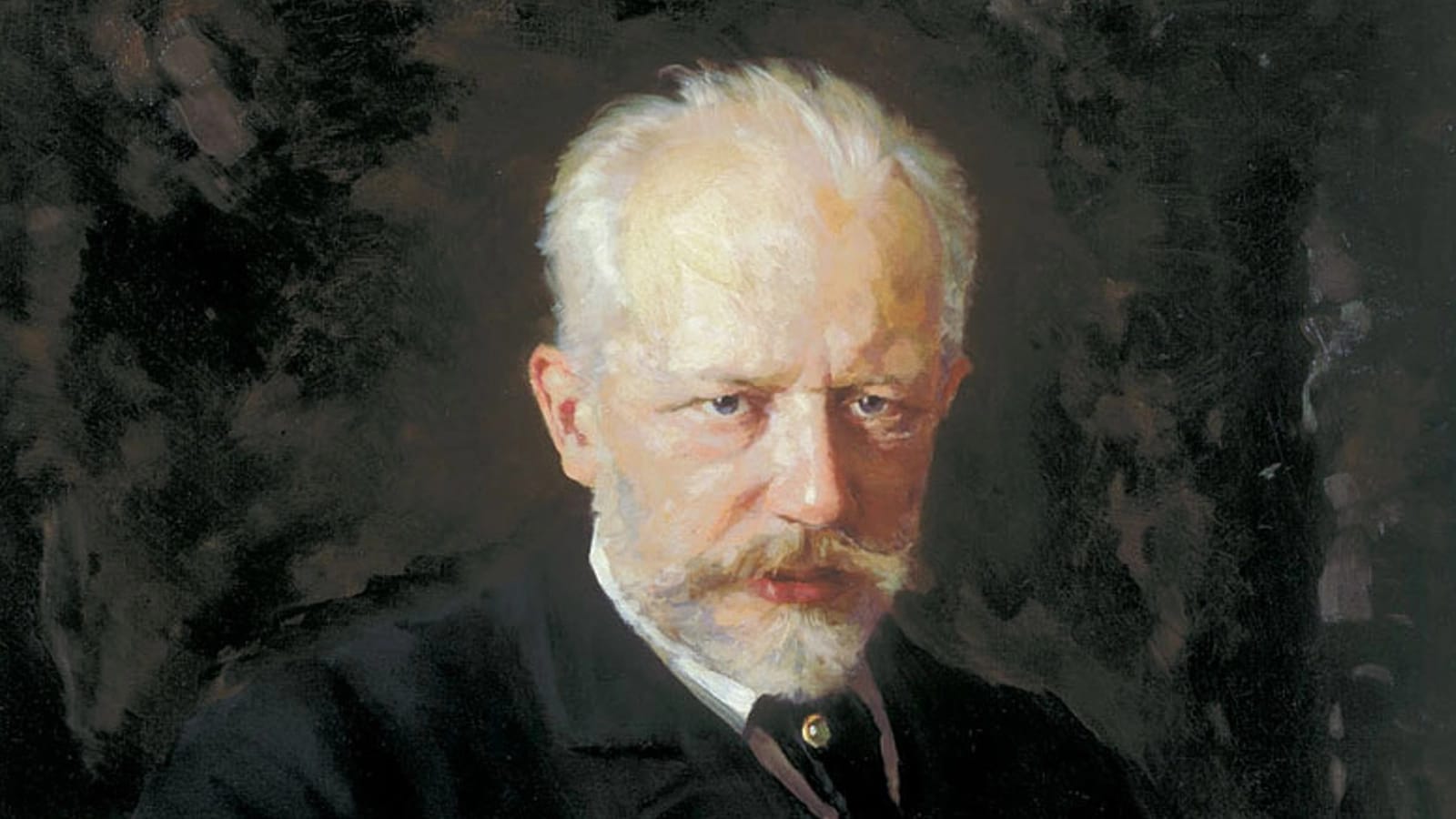
Portrait of Tchaikovsky by Nikolai Dmitriyevich Kuznetsov, 1893 - Via Wikimedia Commons
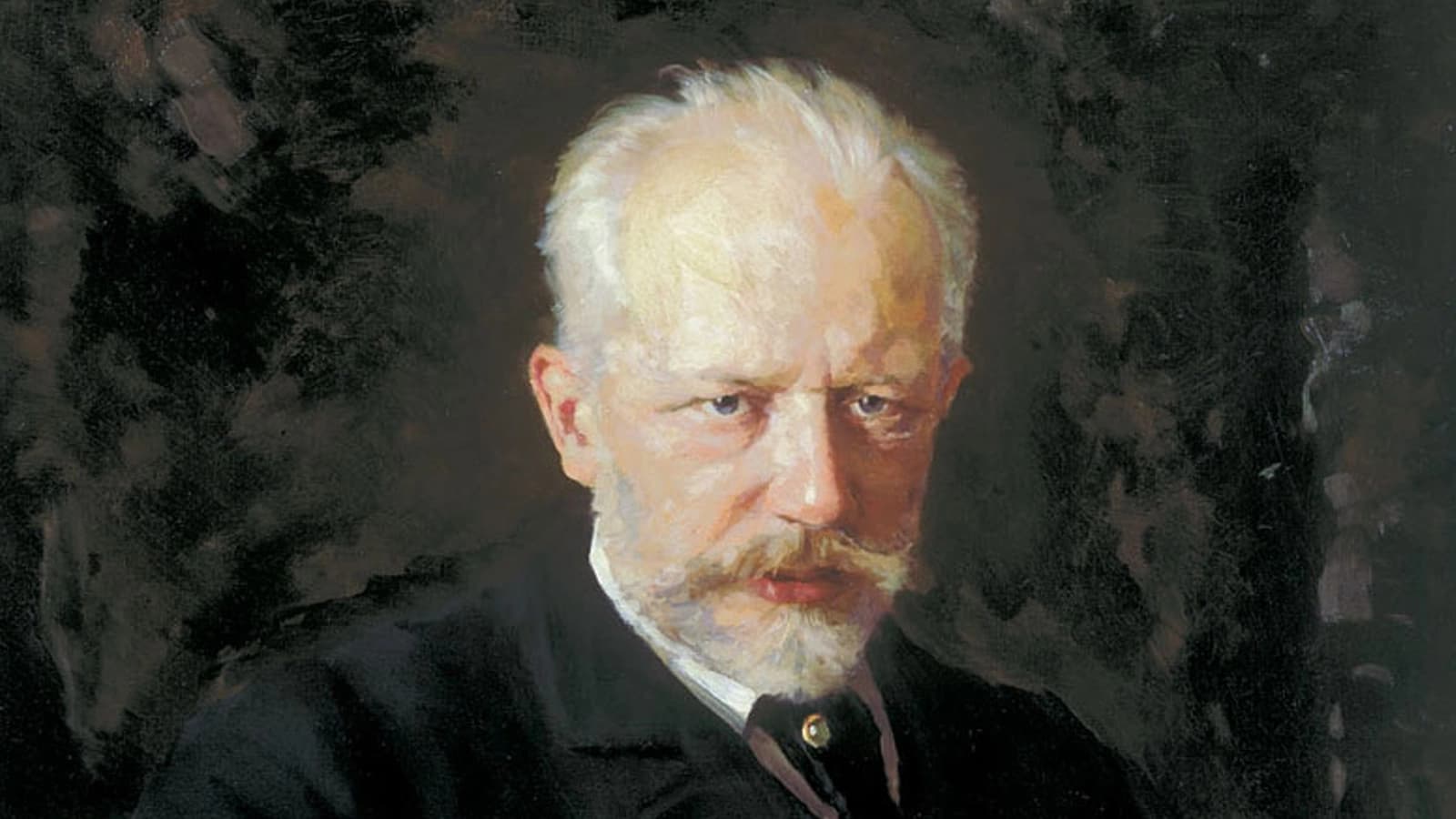
Portrait of Tchaikovsky by Nikolai Dmitriyevich Kuznetsov, 1893 - Via Wikimedia Commons
Until recently, many of Tchaikovsky’s letters had been withheld from publication because they contained references to his homosexuality. Finally, in 2018, scholar Marina Kostalevsky published an English translation of the letters, uncovering passages that had been suppressed by Russian censors. Kostalevsky stated that Tchaikovsky’s sexuality remains a subject of debate in Russia; many believe that others spread rumors about the composer being gay in order to discredit him. Some have even questioned the authenticity of the newly discovered letters themselves. However, it appears there is no lack of evidence for Tchaikovsky’s sexuality but rather a reluctance to embrace it in Russia.
A recent report by Human Rights Watch identifies Russia as among the most repressive countries with regard to LGBTQ+ rights, citing government policies that brand the LGBTQ+ community as “extremist.” Participating in or financing an “extremist” organization is a criminal offense in Russia, punishable by up to 12 years in prison. Even displaying the symbols of an “extremist” group can result in 15 days of detention. Since 2013, Russia has also banned so-called “gay propaganda,” stifling support for LGBTQ+ rights and censoring any portrayal of LGBTQ+ identity in the media.
Tchaikovsky’s letters provide ample evidence that he was indeed gay, and his family—or at least his brothers—were aware of it. The composer’s younger brothers, Modest and Anatoly, were twins who were ten years younger than him. In his letters to them, Tchaikovsky spoke enthusiastically about his relationships with men, but these were scrupulously hidden from the public. Tchaikovsky even went so far as to enter into a disastrous marriage of convenience with his former student, Antonina Miliukova, in 1877. It lasted all of two months.
Here’s the backstory. In 1876, Tchaikovsky wrote to Modest that he had resigned himself to a loveless marriage in an attempt to rid himself of his attraction to men once and for all. Conveniently, Miliukova had become obsessed with Tchaikovsky around this time and apparently had threatened suicide if they couldn’t be together. Meanwhile, Tchaikovsky was in the midst of an affair with violinist Josef Kotek, whom he rather cruelly asked to witness his eventual marriage to Miliukova. Unable to live the lie, Tchaikovsky had a nervous breakdown and set off on a trip abroad.
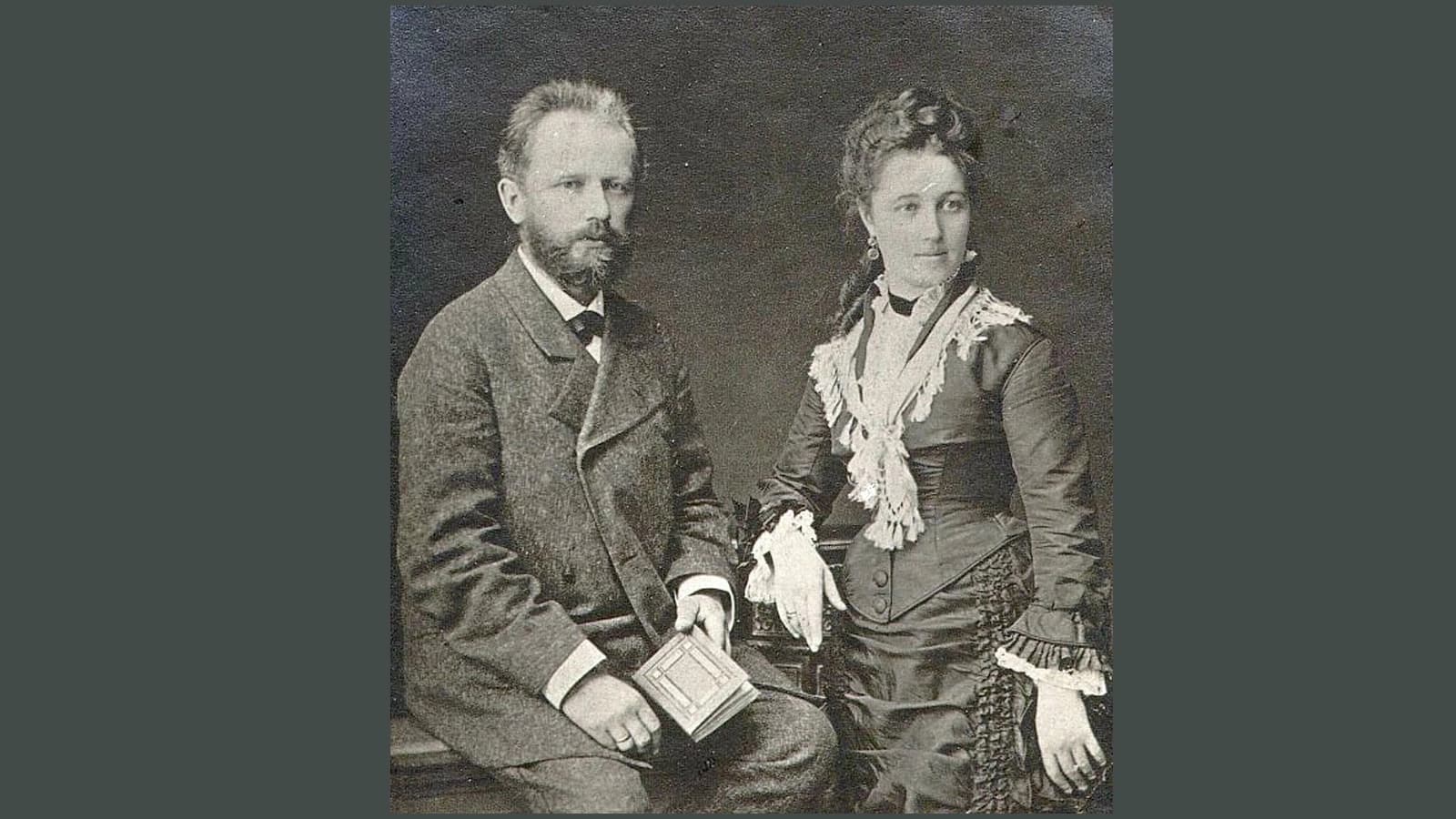
Tchaikovsky and his wife, Antonina Miliukova pose for a wedding portrait in 1877. Their marriage lasted just two months.
Wikimedia Commons
While spending the winter of 1877 gallivanting around Italy, he was propositioned by some unsavory characters who tempted him with a “delightful young creature.” In the end, Tchaikovsky restrained himself, writing to Anatoly: “But what a marvelous, attractive bait! No need to worry though, my word of honor, I won’t let temptation get the better of me.”
In one letter to Modest, Tchaikovsky described an encounter with “a youth of stunning beauty... After our walk, I offered him some money, which was refused. He does it for the love of art and adores men with beards.”
In another missive addressed to Modest, Tchaikovsky seemed absolutely smitten with a servant, writing “My God, what an angelic creature and how I long to be his slave, his plaything, his property!”
Although Tchaikovsky could not fully express his sexuality in public, it was perhaps a comfort that he could at least share this aspect of his identity with his brothers. Modest, a talented writer who was also gay himself, eventually became the steward of Tchaikovsky’s legacy and oversaw the creation of the Tchaikovsky State House-Museum in Klin, just outside of Moscow, where Tchaikovsky’s archives are currently housed. Tchaikovsky lived in the house at Klin from 1892 until the following year when he died of cholera at 53. Modest was Tchaikovsky’s first biographer, penning a three-volume work on the composer, The Life of Pyotr Ilyich Tchaikovsky.
Modest was also his first censor. To create a flawless portrait of his brother, Modest hid every reference to the composer’s homosexuality and even redacted portions of documents in the archives. Without Modest’s protection, Tchaikovsky’s legacy might have been tarnished by the prejudiced attitudes of his time, but today, a more complex image of Tchaikovsky is emerging.
Have a listen to his inventive Symphony No. 6 (“Pathétique”), which upends the trajectory of a standard symphony, placing a brisk Allegro in the third movement and ending with a lush Adagio instead of the typical raucous and fast finale. He dedicated the work to his nephew, Vladimir Davydov, the son of his sister, Alexandra. Tragically, Tchaikovsky seemed to have secretly fallen in love with Vladimir too, then passed away just days after conducting the premiere of this symphony.
Tchaikovsky: Symphony No. 6 ("Pathétique")


