articles / Pop Culture
The Pulses that Let Us Feel Rhythm

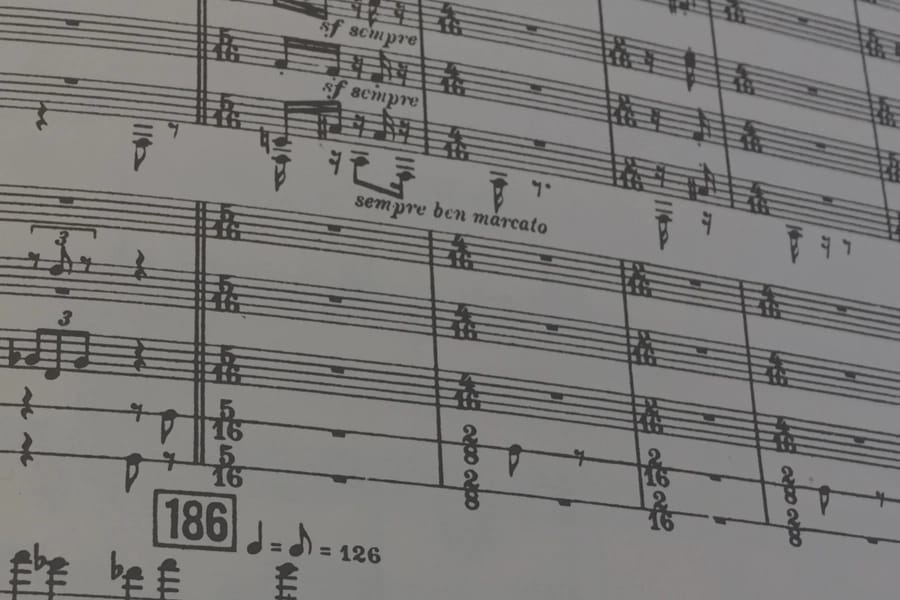
It’s an A-to-Z edition of State of the Arts, looking at Meter and Measures – the composer’s tools for organizing time and beats in their works. Most of Western classical music uses the same building blocks of groups of twos or threes to make up meter, with the bar line going in front of the emphasized first beat. In 4/4 or common time, there are four beats per measure; ‘cut time’ or ‘alla breve’ has two; there are dances like waltzes and minuets that are in triple time with three. Once you have a predictable and steady pulse, it’s possible to add syncopation and other rhythmic patterns that play off of that pulse.
A statement of the “Ode to Joy” section from the final movement of Beethoven’s Ninth Symphony, the famous melody of which is in 4/4 begins in this video at 57:44:
The “Waltz of the Flowers” from Tchaikovsky’s Nutcracker – The 3/4 meter begins at 1:23 –
And the 6/8 meter alternating between different accents in Leonard Bernstein’s “America” from West Side Story is at :58:
